
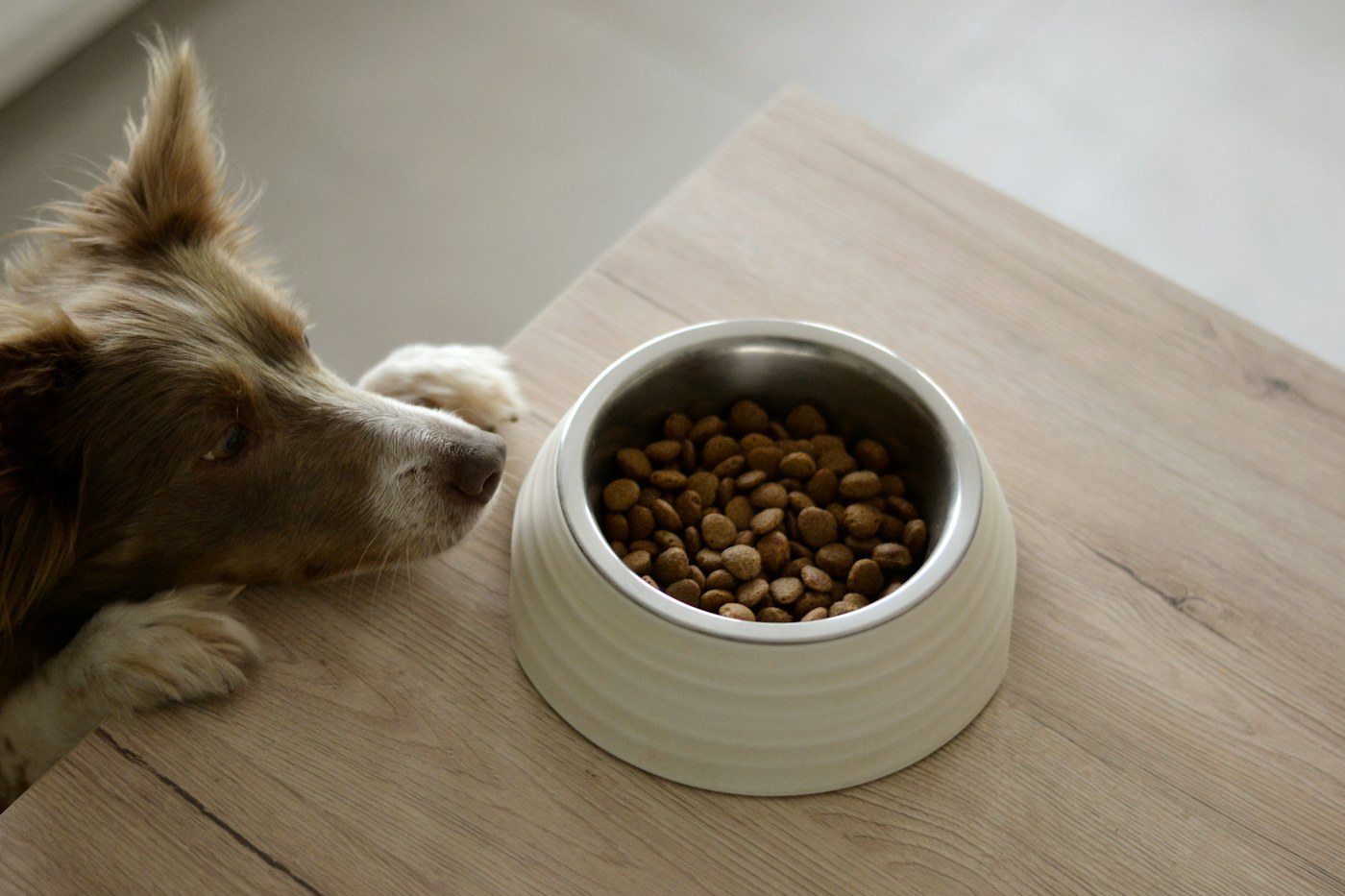
To report a suspected dog food problem in the US, start with the FDA's official pet-food complaint page, gather the package details, and describe what you actually observed. You do not need to turn a concern into a diagnosis before asking for it to be reviewed.
This guide helps pet owners organize their notes. It is written by Healthy Woof, a dog dental-powder brand, and is not veterinary advice or a report submitted on your behalf.
Put your dog's care first
If your dog is sick, contact your veterinarian or an emergency animal hospital. Completing a report is not a way to obtain urgent treatment. The FDA explains that its Center for Veterinary Medicine does not provide veterinary medical advice.
Use the official reporting route
Open How to Report a Pet Food Complaint and follow its current reporting link. Starting there avoids relying on a saved form address if the service changes. This article is for an owner's voluntary complaint, not a business's regulatory reporting obligations.
The FDA reporting FAQ says an animal does not have to become ill for a suspected product problem to be reported. It also covers treats, chews and nutritional supplements within the pet-food reporting scope. Reporting a concern to a shop or manufacturer does not replace reporting it to FDA; the agency recommends informing the manufacturer or distributor as well.
Keep the package identifiable
FDA asks for details including the exact product, package size, lot and date codes, UPC, purchase information, storage and handling, and the observed problem. If an animal is affected, its history, other products consumed, timing and veterinary records can help. Gather what is available and follow the official form's required fields; do not invent missing information.
A lot code identifies a batch, while the UPC identifies the product. The FDA's lot-number guide shows why both matter. Photograph the whole package and close-ups of its codes. If a character is unclear, keep the photo and note the uncertainty instead of silently changing it.
A four-line observation note
Before opening the form, make a short working note. This is our organizational template, not an FDA form or a list of all required fields:
- When: Date and approximate time you first noticed the issue.
- What: The specific observation, using ordinary descriptive words.
- Context: What happened immediately before it, and what information you cannot confirm.
- Record: The photo, receipt or other document that supports that part of the note.
For example, a fictional packaging note might read: 'November 20, about 7 a.m.: liquid visible around the seam of an unopened pouch. Found while unpacking the order. I do not know when the leak began. Photos 01 and 02 show the seam and outer box.' That is more precise than declaring that the entire batch is defective. The example is illustrative, not a report about any actual product.
Keep observations and explanations in separate sentences. 'The package was open when I found it' records an observation. 'It must have been damaged at the factory' adds an unverified explanation. If you are uncertain about timing or quantities, label an estimate as an estimate.
Build a small record you can find again
Use one folder for this concern, with clearly named package photos, purchase proof and your dated note. Keep each product's records separate if several foods or supplements are involved. A short index such as '01 front label; 02 lot code; 03 receipt' makes it easier to choose the right attachment without searching through unrelated pictures.
After submission, save the confirmation and reference number the service provides. Record separately when you contacted the manufacturer and any reference it gave you. FDA reviews reports to determine possible follow-up; submitting one does not itself establish that the product caused an illness, that testing will occur, or that a recall will follow.
Reporting and recall checking answer different questions
A report describes a suspected problem you observed. A recall check compares your package with an existing notice. Our dog food recall guide covers that separate task. For everyday record keeping, see the dental-powder storage guide and caregiver handoff template.
Sources checked November 20, 2026. Organizational examples by Healthy Woof Team. No veterinary review is claimed.