
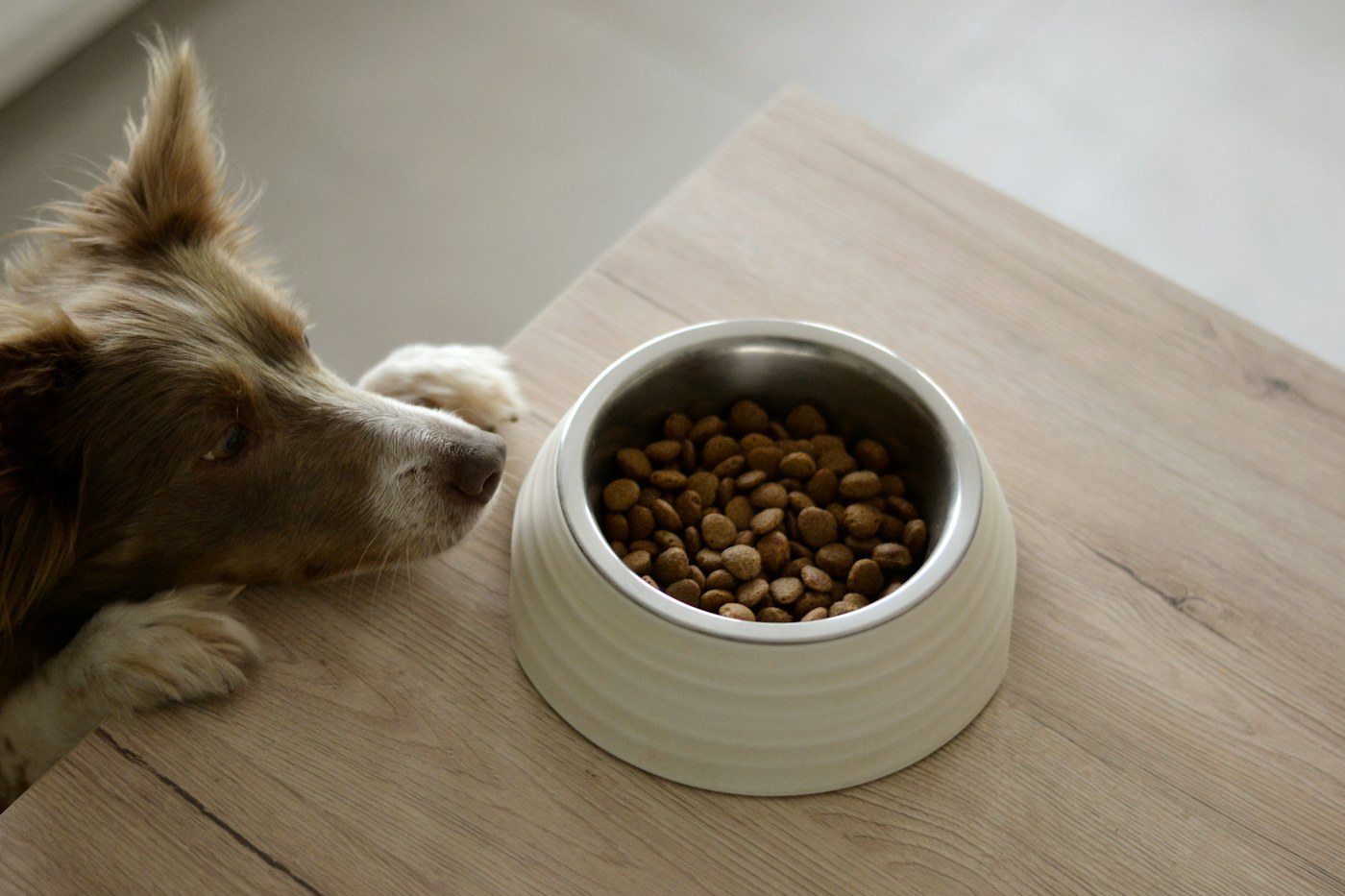
Good dog sitter instructions put the established routine in writing: which dog, which food or product, how much, when, and whom to call if something is unclear. Copy the template below into a document, complete one copy per dog, and review it with the sitter before you leave.
This is an organizational template from Healthy Woof, a dog dental-powder brand. It helps you communicate an existing care plan; it does not choose a diet, prescribe a serving, or replace your veterinarian’s instructions.
Start with the handoff, not just the schedule
A schedule says breakfast happens in the morning. A handoff says whether breakfast has already happened today. Put the handoff date and time at the top of your notes, together with the last completed meal or other care task. If two people will share care, agree where they will record what they actually did.
Keep a dated paper copy with the supplies and share the same version digitally. If you change a detail, tell the sitter which copy replaces the old one. Share home-access codes separately and privately.
Copyable dog sitter instructions template
Dog and care dates
- Dog’s name and identifying description: __________
- Care starts / ends: __________
- Instructions last checked on: __________
- Owner’s phone and preferred contact method: __________
- Backup contact if the owner is unavailable: __________
- Regular veterinarian: name, phone, address: __________
- After-hours veterinary hospital: name, phone, address: __________
- Where the agreed emergency-care authorization is kept: __________
Meals and water
- Exact food name and where it is stored: __________
- Amount per meal, unit, and matching measuring tool: __________
- Meal times and feeding location: __________
- Water bowl locations and usual cleaning/refilling instructions: __________
- Approved treats and limits already agreed for this dog: __________
- Foods, treats or ingredients to avoid: __________
- Separate-feeding arrangements for other pets: __________
Existing supplements and prescribed medicines
Use a separate entry for each item. Keep prescribed medicines clearly identified and follow the veterinary team’s written directions.
- Dog / full product name: __________
- Existing written directions and who confirmed them: __________
- Amount, unit and the exact measuring tool: __________
- Timing and method already agreed for this dog: __________
- Storage location and label storage instructions: __________
- Last given: date, time, amount, and by whom: __________
- Next due under the existing plan: __________
- Who to contact about an uncertain, missed or refused amount: __________
Walks, rest and familiar care
- Usual bathroom opportunities and walking route: __________
- Harness/leash location and fitting demonstration completed: __________
- Known triggers, escape risks and interactions to avoid: __________
- Resting place, familiar toys and household rules: __________
- Existing grooming or dental routine the sitter has agreed to perform: __________
- Changes from normal behavior or eating to report: __________
- Preferred update times and method: __________
Make amounts unambiguous
“One scoop” is incomplete if several containers and scoops share a cupboard. Identify the product and its own measure together. Distinguish an amount for one meal from a daily total, and keep each dog’s instructions separate. If the written note and label disagree, resolve that with the owner and appropriate professional before the handoff.
For a missing dental-powder measure, use our missing-scoop guide to identify the questions to ask the manufacturer. Do not invent a teaspoon conversion. Leave readable original labels available, and check storage directions; our powder storage guide covers that separate task.
AAFCO advises owners to consult their veterinarian before introducing supplements and to follow the prescribed amount and label directions. A sitter handoff is an opportunity to explain the current plan, not introduce an unreviewed product or change an amount.
Use a simple completion log
Copy this line for each relevant task: Date / time — dog — task or product — amount actually given, if applicable — completed, refused or uncertain — initials — note or contact made.
Record completion after the task, rather than marking the whole day in advance. If an entry is uncertain, contact the owner; for medicine or health questions, use the agreed veterinary contact. Do not guess whether an extra amount is needed. This log is a communication aid, not a medical decision tool.
Walk through the plan before leaving
BLVD Veterinary’s sitter checklist recommends clear feeding and medication instructions, enough supplies, emergency contacts and discussing care authorization with the clinic. Show the sitter the actual containers, measures and equipment, then ask them to explain the first visit back to you. Resolve unclear details while you are both there.
Count supplies against the planned time away. For dental powder, our jar-duration guide explains supply arithmetic using an already established daily amount. Finish by recording the last completed task and the next scheduled one: those two lines make the transition much clearer.