

Photo by Ewien van Bergeijk - Kwant from Unsplash
If you’ve been hanging around our blog for a while, you already know that dental care is vital for the health and overall quality of life of a pooch. Gum disease, plaque, and tartar buildup are just a couple of issues canines suffer from if you fail to take care of their pearl whites.
The gold standard? Brushing, of course.
Some dental products can supplement brushing, but benefits depend on evidence for the specific formulation. A supplement is not automatically needed or suitable for every dog.
Dog Dental Supplements to Discuss With Your Veterinarian
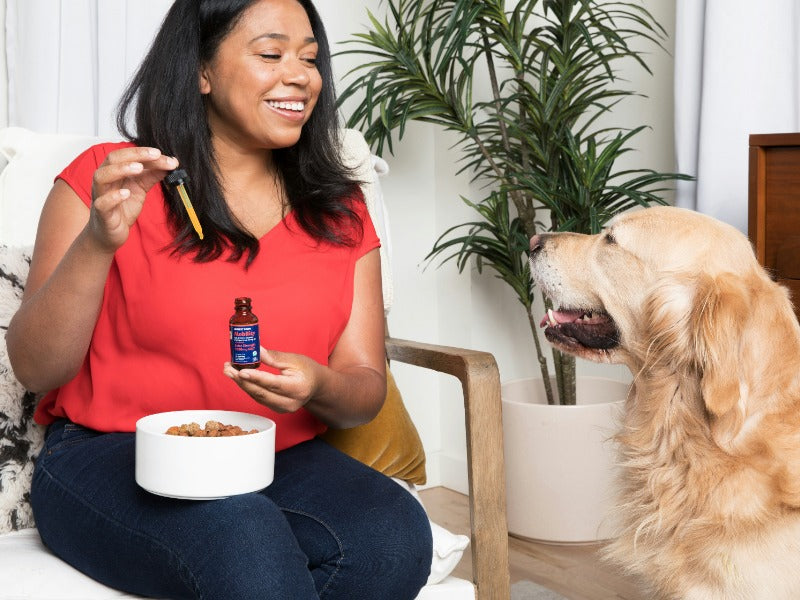
Photo by Honest Paws from Unsplash
The following ingredient categories are commonly discussed in dental supplements. This is not a list of products independently approved by veterinarians. Ask about evidence, dose and suitability for your own dog.
Coenzyme Q10 (CoQ10)
Coenzyme Q10 appears in some supplements, but its presence alone does not establish prevention of periodontal disease, plaque reduction or treatment of bad breath. Ask for canine evidence for the specific formulation before relying on these claims.
Seaweed (Ascophyllum Nodosum) & Green Tea Extract
At HealthyWoof, we distinguish ingredient research from evidence for our finished product. Some Ascophyllum nodosum formulations have been studied in dogs; those results do not automatically apply to another powder or a combination with green tea. Green tea extract should not be described as universally vet-approved.
Probiotics for Oral Health

Photo by Karsten Winegeart from Unsplash
Probiotic claims require evidence for the particular strain, dose and formulation. Research discussing oral bacteria does not establish that every product containing Lactobacillus brevis treats bad breath or gum disease. Do not replace dental assessment with a probiotic.
“Natural Antibiotics”: Why the Label Can Mislead
Herbs and supplements should not replace veterinary treatment for a suspected dental infection. The ingredients below are not established here as alternatives to prescribed antibiotics or dental procedures:
- Olive leaf. The presence of oleuropein does not establish treatment of a dog’s dental infection.
- Plantain. Do not use it as a substitute for assessment of a mouth wound or painful gums.
- Parsley or mint extracts. A flavor or aroma does not demonstrate treatment of the cause of bad breath. Suitability depends on the actual product.
- Calendula. This article does not establish an effective canine dose for oral pain or wound healing.
- Turmeric. Do not present it as a substitute for a prescribed anti-inflammatory medicine or dental treatment.
- Green tea extract. Red or swollen gums need assessment; the ingredient name alone does not establish a treatment effect.
- Coconut oil. Research on its components does not establish that household oil treats periodontal disease in dogs.
Enzymes
Enzymes such as lactoperoxidase and glucose oxidase are used in some dental formulations. Their presence alone does not prove that a finished product prevents plaque or tartar. Select a dog-specific product using its directions and supporting evidence, rather than transferring a claim from a different toothpaste or supplement.

Photo by Nicole Calmet from Unsplash
The variety of supplements is impressive and can be found literally anywhere, from dog multivitamin products to powder. For your comfort, we created our catalog so you don’t have to go elsewhere. But before you go, always check with your veterinarian before giving your dog any of the products above.