
Unfortunately, pups don’t talk. If they did,HealthyWoof would share interviews with furry buddies instead of blog articles. But for now, canines can’t tell us when they’re feeling overwhelmed, suffering from dog separation anxiety, stress, or are in need of dog anxiety medication. However, a dog with separation anxiety or worries caused by unfamiliar environments has subtle changes in behavior that we can notice and do something about.
But before we dive in…
What is anxiety in a pooch?
Simply put, it’s a state of fear or stress usually triggered by situations like separation, loud noises, unfamiliar settings, changes in routine, past trauma, and so on. While some signs are obvious (you can definitely notice shaking during fireworks), others are subtle red flags. Just like some of us, fur babies try to cope and suffer silently. That’s why many symptoms go unnoticed. Your task is to spot them.
Weird Eating Patterns

Photo by Chris Benson from Unsplash
Whether it’s a post-traumatic, travel, or separation anxiety dog suffers from, a sudden change in eating habits can be the number one signal. This can include rejecting or skipping meals or treats they loved before. On the one hand, it can be the good old pickiness. But don’t ignore potential deeper emotional distress hidden in a fluffy soul, especially if you’re babysitting a dog with separation anxiety. How to help a dog with separation anxiety? Keep their routine as normal as possible, provide their favorite toys and snacks, as well as give them plenty of gentle attention to help them feel safe.
Yawning When It’s Not About zZZ
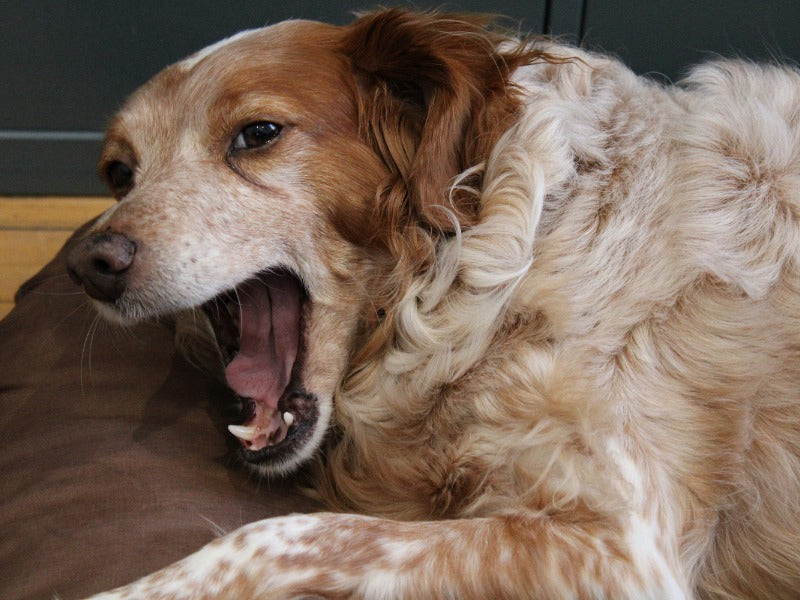
Photo by Carolina Betancur from Unsplash
Every member of our blog team is an attentive pet parent - and we hope you are, too. That’s why you should make sure your woofer yawns because they’re tired, not because they’re releasing stress (especially in uncomfortable situations). You might notice this habit when the barker meets new companions or people, such as vets. After all, the report “Prevalence, Comorbidity, and Breed Differences in Canine Anxiety in 13,700 Finnish Pet Dogs” proves nearly 20-25% of canines show fearfulness of new situations, animals, pups, people, etc. Plus, when you raise your voice or rush them, yawning could be part of the process, too.
Hyperactivity
The next sign of anxiety is easy to miss because it is camouflaged as something else. Lots of dog mommies and daddies think their dog’s restlessness just means they have too much energy or need more exercise. But if your dog is always bouncing around, pacing, or can’t seem to calm down, chances are you’re dealing with anxiety. The latter, in turn, makes their nervous system go wild.
Barking
Barking is a natural way for dogs to communicate. However, when there’s too much of it, chances are it’s time for an anxiety dog crate. Your four-legged friend might bark to show fear, frustration, or stress, especially if they’re feeling trapped, overwhelmed, or suffering from separation. Based on the “Separation Anxiety in Dogs: The Implications of Predictability and Contextual Fear for Behavioral Treatment” research, “typically, dogs with separation anxiety vocalize, eliminate and/or show destructive behavior in the owner’s absence or when the dog does not have direct contact with the owner.” That’s what stands behind anxiety-related barking.
The “Whale Eye”
A significant symptom of stress and tension! Here’s how it looks (if you don’t know what’s going on): you can see the white part of their eyes in a crescent shape because they’re looking away but still watching something that’s bothering them. If this something gets too intense, pups may get aggressive.
Panting (More Than Usually)
While panting is a natural process, it helps man’s best friend to cool down, stress can trigger it as well. See your mutt panting heavily indoors, at night, or during calm moments? Looks like anxiety kicked in. And if it’s a tandem with wide eyes or tense posture…bingo!
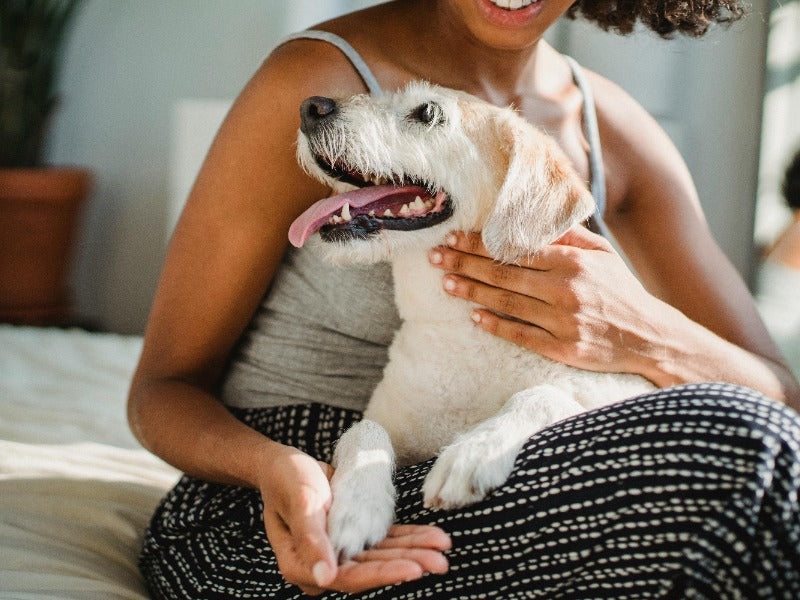
Photo by Samson Katt from Pexels
Anxiety is a tricky thing.
However, recognizing the mildest symptoms is half the battle. Understanding their stress signals helps you choose better treatment and a plan of action, from providing a well-designed high anxiety dog crate to keeping daily mental and physical exercise, and maintaining a predictable care routine with the help of quality products from our catalog. And always be there for them because they would be there for you, too.