Based on the article “Pain and Problem Behavior in Cats and Dogs” published in the Animals journal, “an animal in pain will naturally be more cautious and potentially anxious as a result.” If your four-legged friend has been acting “off” lately (more jumpy, withdrawn, or irritated when you feel like cuddling), you may think it’s just a training issue or a phase.
Maybe.
But caring pet parents at HealthyWoof say that there’s a good chance your pup might be showing dog anxiety symptoms caused by dental pain.
Below, we unpack the toothache-anxiety links and how to reduce anxiety in dogs by protecting their smile.
Fur Babies Don’t Show Toothache Like Their Hoomans
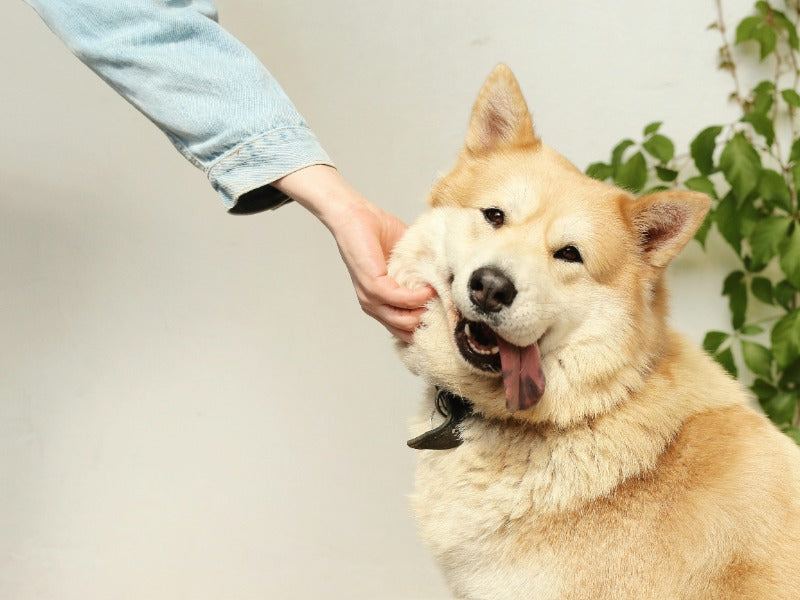
Photo by Maksim Goncharenok from Pexels
Pups truly deserve an Oscar for hiding pain. After all, they all originate from the wild, where even the slightest signs of anxiety in dogs could be dangerous. That is why a lot of canines mask discomfort instinctively until they can’t stand it anymore.
As for dental pain, it develops slowly. First comes plaque hardening into tartar, then gums become inflamed, and bacteria do their job below the gumline. As things get worse, the animal quietly adapts. Before they start yelping or pawing at their mouths, you can notice some changes in their behaviour:
- Getting more clingy or anxious.
- Growling or snapping when you touch ‘em near the head.
- They seem to lose interest in all-time fav toys, chews, or play.
- They eat even their favorite nom-noms slowly or drop food.
- Animals are restless, on edge, or unusually tired.
When in a non-stop pain that doesn’t get resolved, the pup’s nervous system is in a low-level stress state. That’s when anxiety slowly enters the game.
The Bad News: Pain’s Got Anxiety on Repeat

Photo by Monica Hubec from Unsplash
Remember yourself in dental pain. It’s literally mentally exhausting.
It sends repeated stress signals to the brain and, in turn, boosts cortisol (the stress hormone) level, making mutts more reactive and less resilient to everyday triggers like noises, visitors, or the slightest changes in routine.
This puts anxiety on repeat:
- Pain in the mouth causes stress.
- Stress makes sensitivity and anxiety more intense.
- Anxious woofers tense their bodies, which can worsen pain perception.
- Then it all repeats. Again. And again.
That is why you may notice signs of high anxiety in dogs with untreated oral issues. They might get aggressive, fearful, or moody all of a sudden, without any particular reason. Unfortunately, all this can look like a behavior problem for moms and dads of a fluffball:
- You call ‘em “reactive” because they snap when you touch their face.
- You think your pet is just lazy or depressed because of avoiding walks or/and play.
- You think of signs of separation anxiety in dogs when the pet whines or paces.
The truth?
All those are protective responses to pain. When canines learn that this or that movement or/and interaction hurts, anxiety turns into a real strategy to survive. If you know that and follow the recommendations from our blog (and your vet!), you’ll keep your pup healthy and paw-sitive.
The Good News: A Healthy Mouth Means a Calm Mind

Photo by Andrea Piacquadio from Pexels
When dental discomfort is no longer a problem, many dogs show emotional changes. They relax more easily, become more social, and seem more like themselves again. But first, you have to make sure the anxiety is caused by mouth pain. The answer is yes, if you notice…
- Yucky breath that stays.
- Red/bleeding gums.
- Yellow or brown buildup on teeth.
- Chewing on one side of the mouth.
- Sudden behavior changes with no reason.
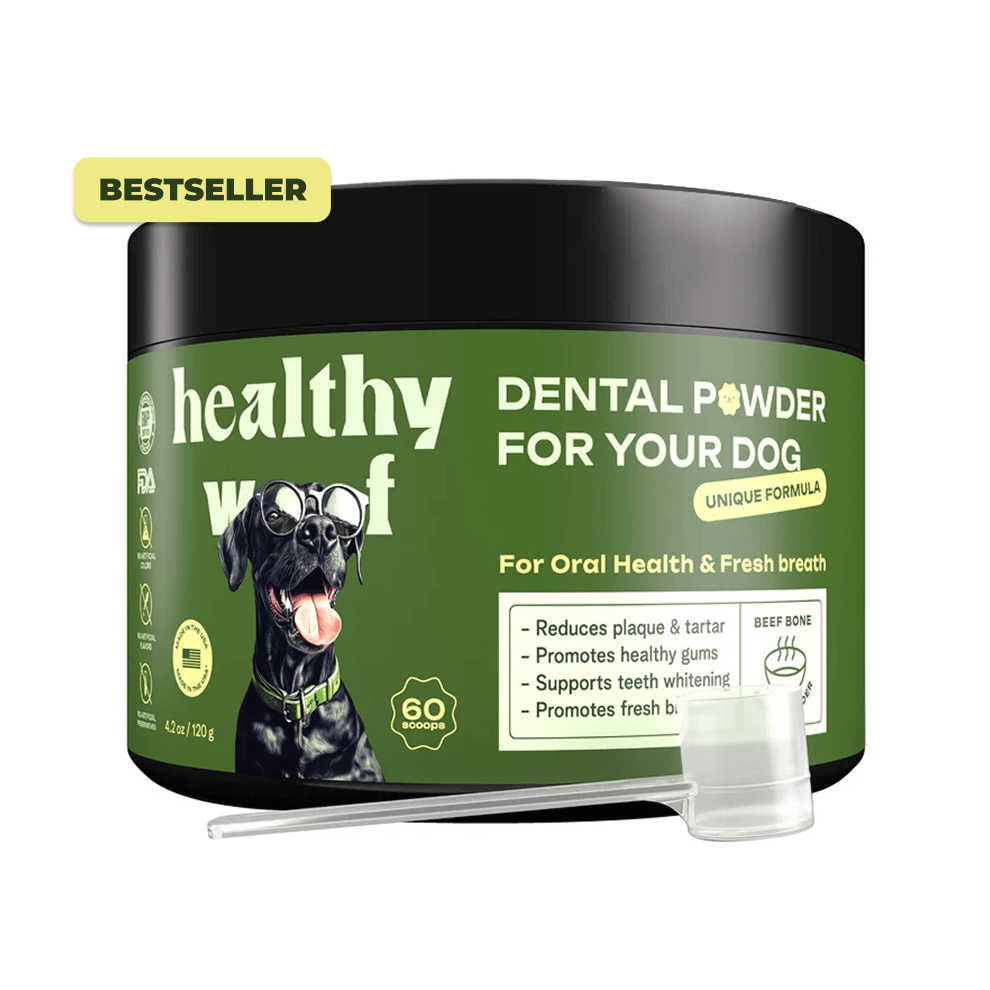
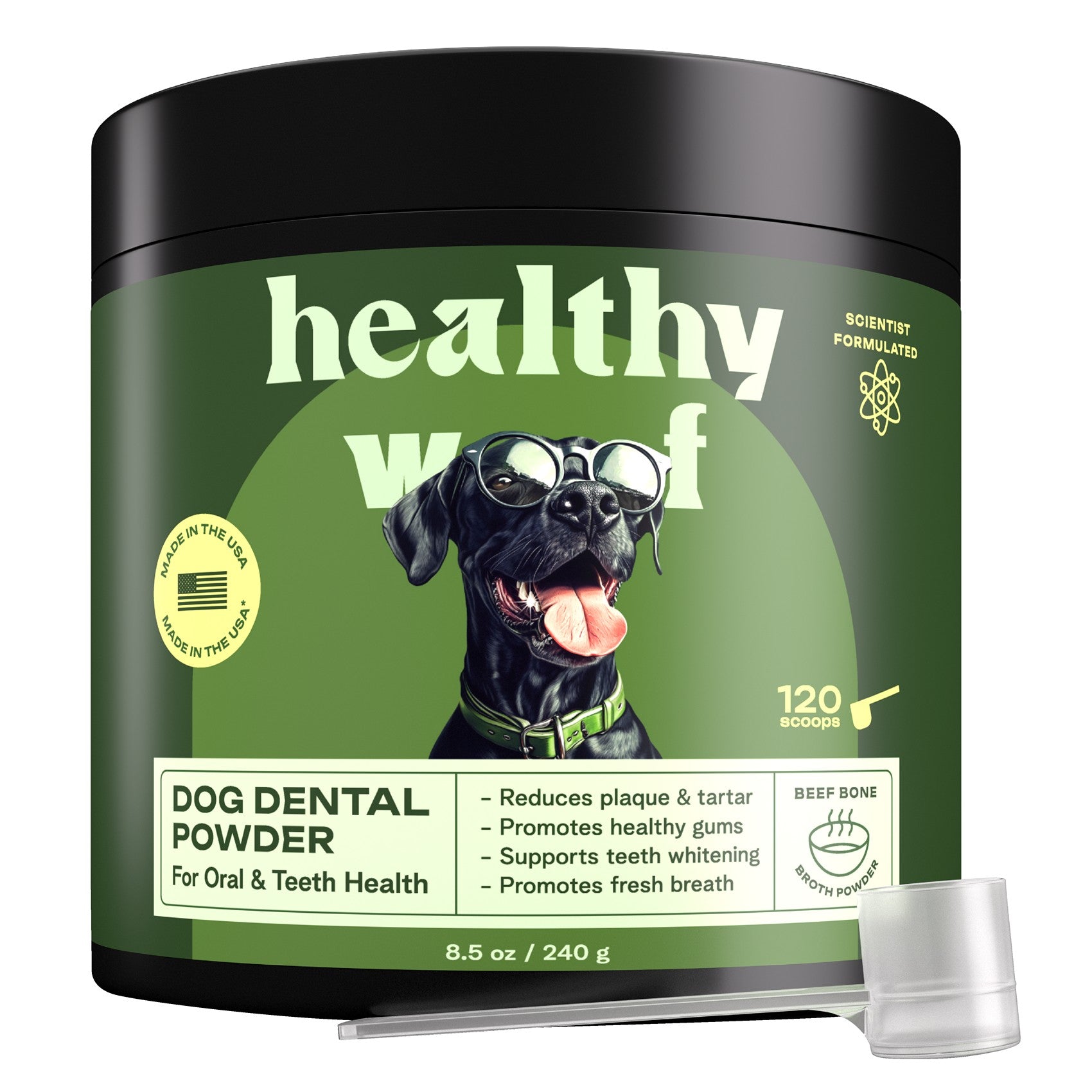
Together with regular vet checks and cleanings, make daily oral care part of the routine. Do they resist brushing? Not a problem. In our catalog, you’re welcome to browse gentle alternatives like dog tooth cleaning powder. Natural dental powder for dogs helps maintain a healthier mouth between vet visits. This, in turn, eases discomfort and keeps them chill. The best part is that you don’t add stress to their daily routines while still helping reduce plaque buildup and gum irritation. Plus, dogs do not see oral care as a sworn enemy anymore. Less pain, less discomfort, less anxiety.