We all love our paw-pals, and the toughest part is that they speak zero English (or us speaking zero Woofish?). So, if they aren’t feeling well, this language barrier makes itself felt. We have to keep our eyes open to any change in dog behavior, especially when it comes to dental health. Unfortunately, illnesses do not just affect their fangs. They influence their habits and mood. At HealthyWoof, we know that catching potential problems early is crucial, so here are some of the things signaling your fluffball is in pain.
Dog Behavior Change You Have to Notice

Photo by Matthew Henry from Unsplash
Just like us, pups suffer from dog gum disease, toothache, infections, and other conditions causing pain, discomfort, and stress. And since they can’t inform us on what’s bothering them, a sudden behavior change in dog should be taken as a banner that reads “Something’s wrong with me, woof!” They may show it through:
- Hiding. Whether it’s a dog gum disease or a toothache, hiding more than usual means your pet is having a tough time. Watch them and ensure to make an appointment with the vet ASAP.
- Irritation. In the middle of dog teeth cleaning, you may notice your-legged buddy experiencing dental pain as you touch their face. Red flag!
- Aggression. New aggression can have several causes, including pain. Arrange a veterinary assessment rather than assuming gum disease or starting treatment yourself.
- Avoidant. There’s no doubt your animal enjoys affection from its hooman. However, if the woofer suddenly avoids your pets, take it also as a manifestation of a problem.
- Lethargy. Reduced energy or interest in play can have many causes. Contact your veterinarian rather than starting a gum-disease home remedy.
- Crying. New or persistent whining, crying or howling deserves attention. Ask your veterinarian to assess the cause rather than choosing an oral hygiene product from this sign alone.
- Pawing at the face. If it hurts, canines instinctively paw at the face. When it happens, do not hesitate to talk to a specialist.
Difficulty chewing or eating. A sudden change needs veterinary assessment. Our catalog describes products for routine care; browsing products should not delay diagnosis or treatment of pain.
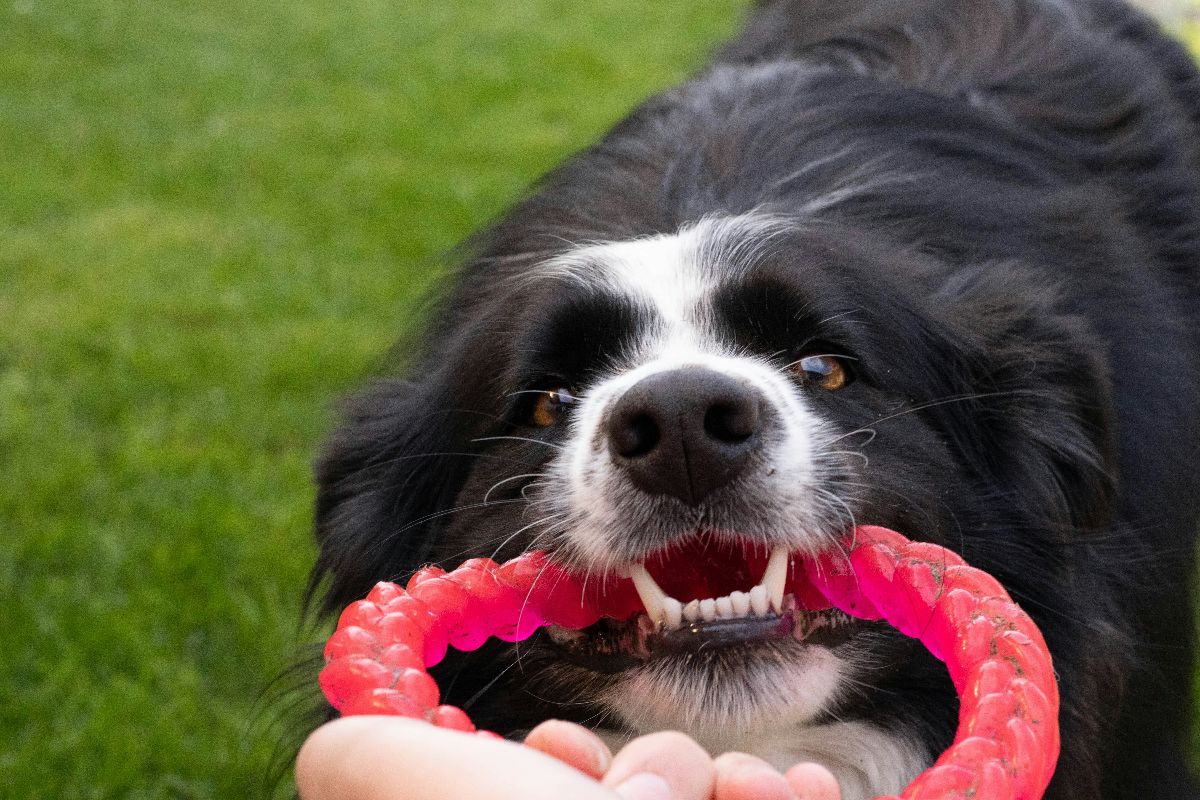
Photo by Martin Krchnacek from Unsplash
Prevention Is Key!

Photo by Sam Lion from Pexels
In our blog, we strongly advocate for regular mouth examinations as part of a pet’s healthcare routine. Take your good boy to the vet so a professional can detect dental conditions as early as possible. You’re welcome to check out the pro-level dog teeth cleaning cost so your buddy has those regularly. Plus, do not forget about at-home dental care using the best dog teeth cleaning products to promote oral health.
Do you see mood and conduct changes in a tail-wagger? Is it aggression, reluctance to eat, or lethargy? Time to call the doc! But before that, prevention is the best cure. So next time you notice any of these symptoms, consider checking their teeth. With a little care and in touch with a professional who knows how to treat dog gum disease or other issues, you’ll help your woofer keep the pearly whites it deserves.