
Table of content
Did you know that your pup requires more than 40 essential nutrients? According to The Waltham Book of Dog & Cat Nutrition (2nd edition), the daily dose of food is based on the level of the animal’s daily activity. As more and more pet parents become extra conscious of their canines’ well-being, interest in raw food diet for dogs keeps rising. Today, in our blog, we’ll focus on what you need to know about this nutrition plan before switching your poochie to it to improve dental health.
Before we go, what is a raw diet for dogs?
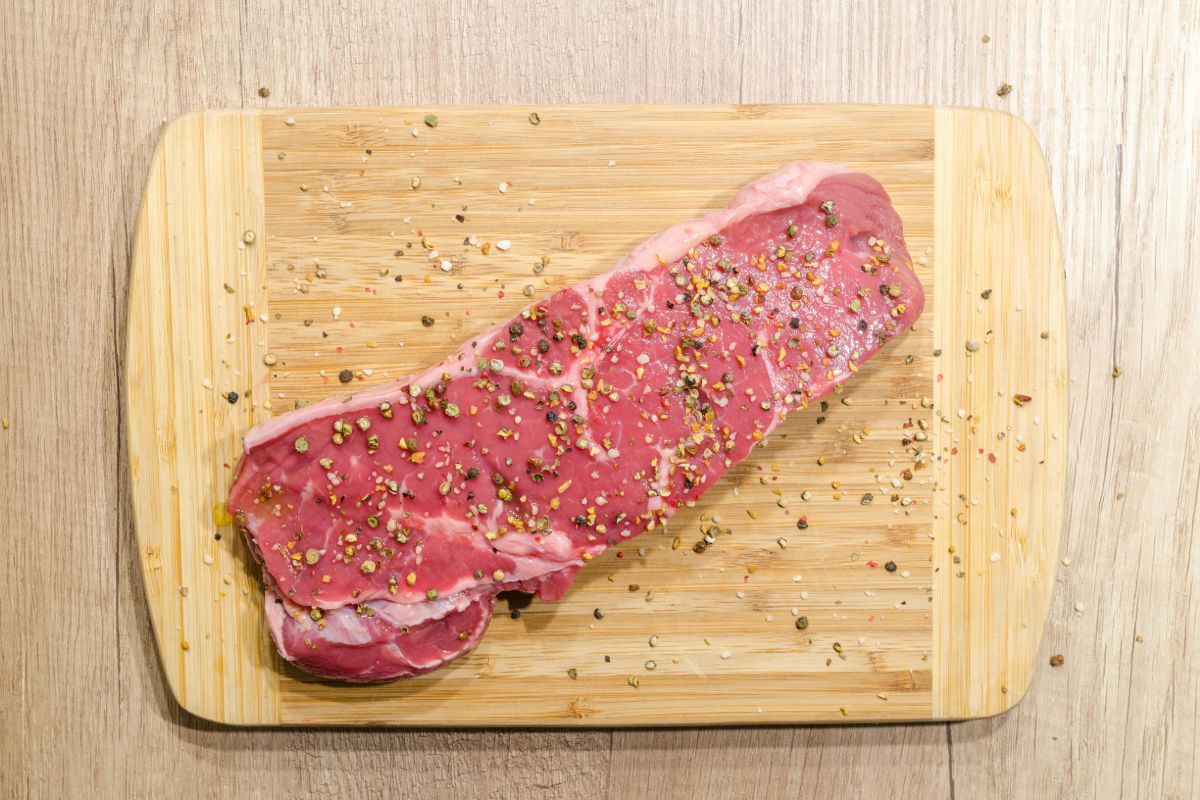
BARF (Biologically Appropriate Raw Food/Bones and Raw Food) includes feeding furred buddies uncooked products, including bones, eggs, meat, veggies, fruits, etc. The #1 goal of it is to mimic what canines consume in the wild.
Is a Raw Diet Good for Dogs Dental Health?
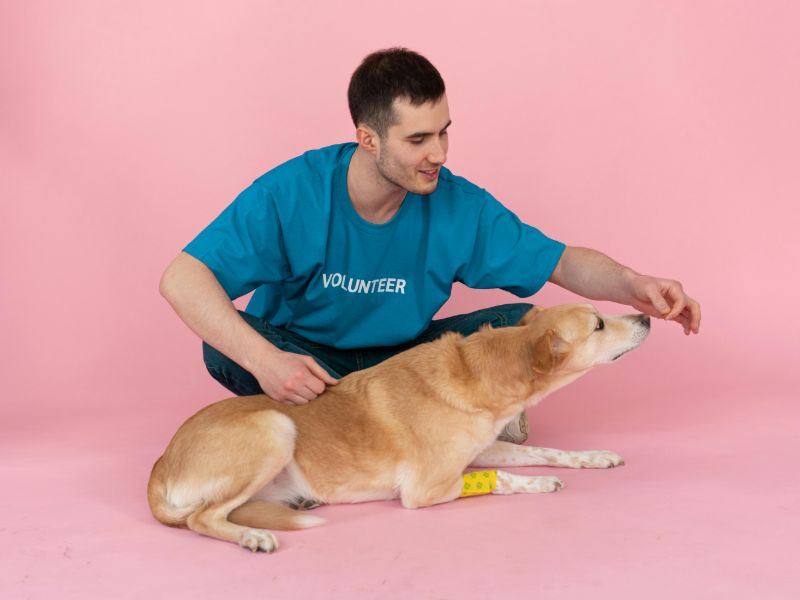
Photo by Mikhail Nilov from Pexels
There are a number of reasons why a raw meat diet for dogs is linked to better teeth health in pups:
- Less processed sugar and starches. It’s kibble that usually has fillers and carbohydrates that stick to their pearl whites and promote bacterial growth. The ancestral diet, on the contrary, avoids those elements, reducing plaque buildup.
- Natural toothbrushes. Uncooked stuff like turkey backs, chicken necks, and beef ribs helps scrape away tartar and plaque in a natural way as your mutt gnaws on bones. This, in turn, helps prevent periodontal disease.
- Tamer for woofie’s bad breath. Due to a lower carbohydrate load and the enzymatic benefits of uncooked products, your good boy has better-smelling breath.
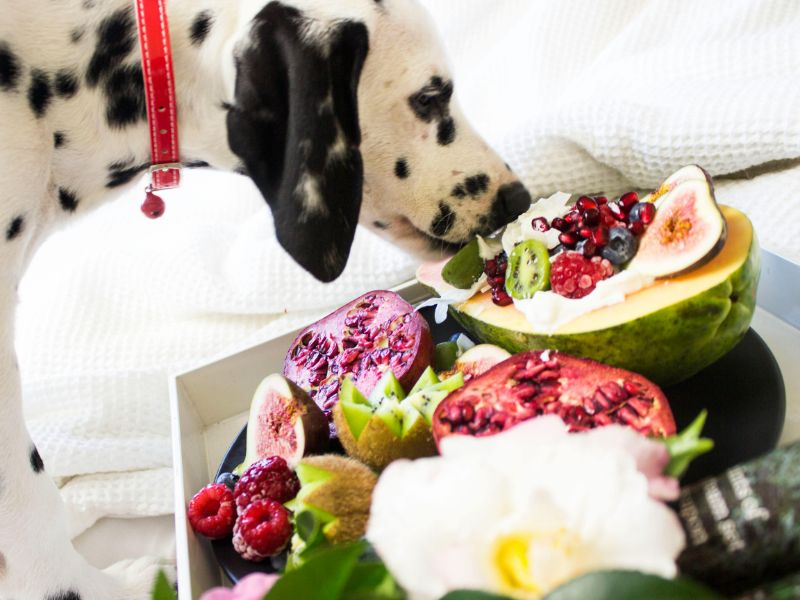
Photo by Rarnie McCudden from Pexels
The reality is that most available materials on raw diet dogs owners switch to are based on small studies only. According to the “Raw Meat-Based Diets for Dogs: Survey of Owners' Motivations, Attitudes and Practices” survey (2019), 218 dog owners reported adopting a raw diet for dogs as a more “natural” alternative. But the trick is that only 8% talked to vets, so they didn’t know of potential health risks:
- Injuries or risk of choking. You know your pet’s chewing habits, so pick bones appropriate to the breed’s size. Don’t forget that weight-bearing bones from large animals can break teeth.
- Pathogens. Even the best raw diet for dogs can have hidden bacteria like E. coli or Salmonella that are hazardous not only for a four-legged buddy but its owner as well. It’s critical to handle and store food properly.
- Lack of nutritional balance. BARF meal plan doesn’t mean that you have to grab an uncooked chicken and throw it into a bowl. We at Healthywoof.com are never short in reminding pet owners that fur babies require delicacies with the right ratio of bone, muscle, and organ meat in tandem with proper supplements if needed.
Feeding Is Never Enough
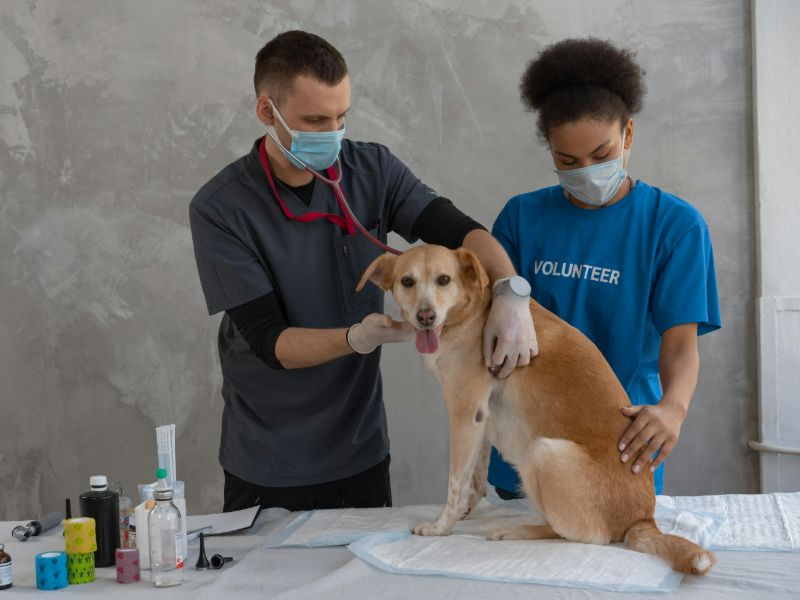
Photo by Mikhail Nilov from Pexels
Even if you think it’s time to switch to the raw food diet for dogs recipes, it’s not a complete alternative to regular at-home or vet dental care, such as:
- Check-ups at the vet clinic. Approach veterinarians to have routine teeth exams and cleanings if required.
- Manual tooth brushing. Using pet-friendly toothpaste and a brush is an essential part of oral hygiene.
- Dental treats, chews, powders, etc. All these products can help you keep your pup’s mouth clean and healthy. Check out our catalog to get the supplements provided exclusively for man’s best friends, especially the ones who don’t gnaw on bones often.
When it comes to canines’ oral health, the uncooked menu can save your pet from dental diseases and the yearly removal of both tartar and plaque that processed foods tend to cause. However, the key is to incorporate safe, properly stored products and never switch to a new nutrition plan all of a sudden. Instead, let it be a 25% + 75% formula. Add 25% uncooked food to 75% of traditional pups’ menu. If it goes well, switch to a half-and-half mix in a couple of days. Finally, do the transition to the 75% + 25% meal plan. If you observe any disturbing eating changes, see the vet ASAP.