

Photo by Blue Bird from Pexels
- The Link Between Bone Broth and a Hollywoof Smile
- Is Bone Broth Good for Dogs Digestion?
- Gelatin, Collagen and Gut-Health Claims
- Keep Your Canine Hydrated
- Considerations for a Sensitive Stomach
- Claims About Gut Bacteria
- Ready to Add Bone Broth to Your Dog’s Diet? Here’s How!
Bone broth for dogs can be an optional food topper when its ingredients and serving suit the dog. It is not a necessary supplement or a proven way to prevent illness. If your dog is unwell, ask your veterinarian before changing the diet.
The Link Between Bone Broth and a Hollywoof Smile
At Healthywoof.com, we discuss bone broth as a dietary option, not as a dental treatment. A balanced diet and appropriate dental care remain important.
- Chewing and plaque. Adding liquid broth to food does not establish a plaque-removing or tartar-preventing effect. Keep brushing in your dog’s dental-care routine.
- Minerals and teeth. The presence of minerals in broth does not prove that it strengthens enamel or prevents dental disease. Its composition varies, and it should not replace a complete diet.
- Painful or swollen gums. These signs need veterinary assessment. Bone broth, gelatin and collagen are not substitutes for treatment of periodontal disease.
Is Bone Broth Good for Dogs
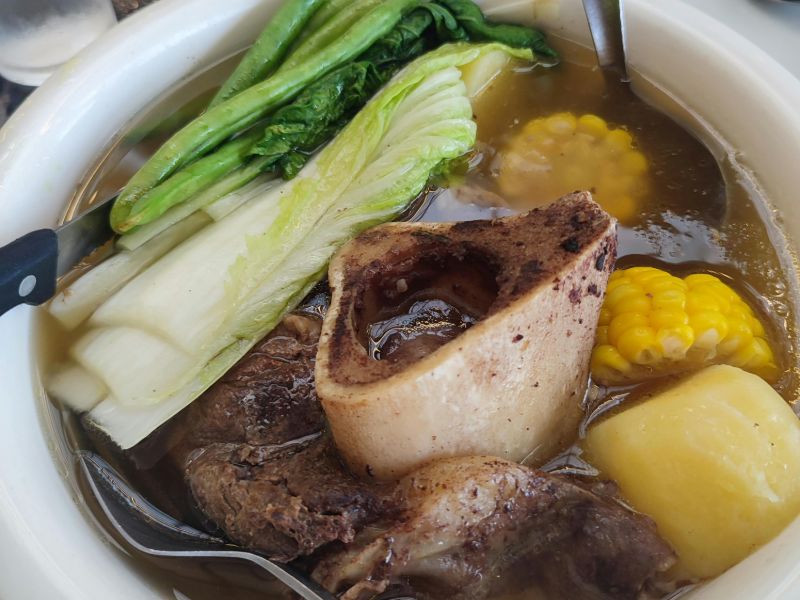
Photo by spiica ii from Pexels
Tolerance varies between dogs and recipes. Broth should not be described as a guaranteed remedy for gastric problems. Persistent or worsening digestive symptoms need veterinary advice.
Gelatin, Collagen and Gut-Health Claims
Broth may contain gelatin and collagen, but their presence alone does not establish prevention of digestive disorders or “leaky gut” in dogs. Claims need evidence for the actual preparation and intended use.
Keep Your Canine Hydrated
Liquid broth can contribute fluid to a meal, but it does not guarantee normal digestion or prevent constipation. Keep fresh drinking water available. If your dog drinks poorly or shows signs of illness, seek veterinary advice.
Considerations for a Sensitive Stomach
For a dog with a sensitive stomach or recovering from illness, ask the treating veterinarian before adding broth or another supplement. Our catalog provides product information, not a treatment plan for digestive symptoms.
Claims About Gut Bacteria
The presence of amino acids such as glycine does not show that a broth detoxifies the body, balances the gut microbiome or treats allergies. Assess the recipe and nutritional role without assuming these clinical benefits.
Ready to Add Bone Broth to Your Dog’s Diet? Here’s How!

Photo by Blue Bird from Pexels
If your veterinarian considers broth appropriate, introduce it in the agreed amount and watch for intolerance. Do not keep increasing servings simply because your dog likes it. Dental powder has its own label directions; broth is not a dosing guide for it.
- Take it slow. At first, dog owners should add small amounts of bouillon to make sure that their fluffy pal tolerates this delicacy.
- Use it as a cherry on top. When it’s time to feed the fido, make sure to pour some bone broth over their meal. Using it as a topper boosts flavor and nutrition.
- Make ice cubes. Take this yummy soup and freeze it into treats. Thus, you’ll always have a nutritious and refreshing treat at hand.
- Check the ingredients. Use a preparation suitable for dogs, without onion or garlic, and do not serve cooked bones. Discuss sodium, fat and other dietary restrictions with your veterinarian. “Organic” does not establish suitability.
Bone broth is an optional food addition, not a way to guarantee healthy teeth or treat digestive disease. Choose it based on your dog’s dietary needs and keep dental care separate. Visit our blog for more everyday-care information.