
Table of content
Pups fit our lives just perfectly! They make us physically and mentally healthier, happier, and more content with our lives. According to the report “Nutrient Requirements of Dogs and Cats,” unique nutritional requirements of humanity’s best friends depend on their size, breed, stage in life, etc. In our blog, we’ve already mentioned that diet has a huge impact on a pup’s general health and well-being. Today, we’ll talk more about the best dog food for dental health. Just a bit of effort and the right products on the menu, and they’ll show off their pearly whites!
What to Feed a Dog for Dental Health?

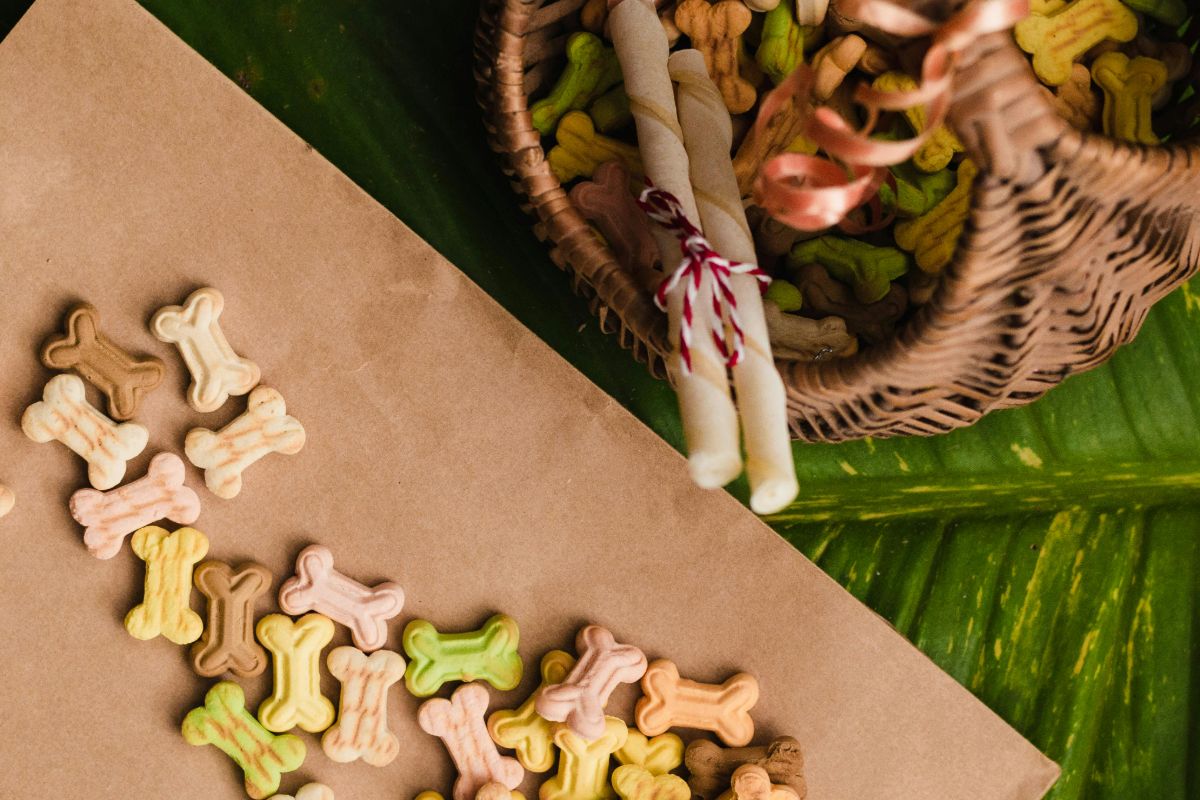
Photo by Zen Chung from Pexels
A complete diet should meet your dog’s nutritional needs. The following foods and supplements are often discussed for dental health, but they are not interchangeable with brushing or a dental diet supported by product-specific evidence.
- Raw meaty bones. Hard bones can fracture teeth, and raw animal products can carry pathogens. We do not recommend raw or cooked bones as dental-cleaning tools. Ask your veterinarian about suitable dental chews.
- Coconut oil. Do not rely on coconut oil to treat bad breath or dental disease. Persistent odor needs veterinary assessment.
- Vegetables and fruit. Dog-safe foods may be occasional treats in a balanced diet, but they are not established treatments for periodontal disease. Choose portions and preparation suitable for your dog.
- Raw goat-milk kefir. Raw milk products can carry pathogens. Ask your veterinarian about a suitable dietary option rather than using raw milk kefir for dental care.
- Dark leafy greens. Nutrients in a food do not by themselves establish a benefit for gum disease. Discuss dietary changes with your veterinarian.
- Prebiotics and probiotics. Benefits depend on the particular ingredient or strain, dose and purpose. Do not assume that a digestive supplement also prevents dental disease.
- Food after dental surgery. Follow the treating veterinarian’s instructions on food texture, ingredients and duration. A homemade soft meal is not automatically a complete diet.
Check out our catalog for pet-safe treats!
Pet Owners Ask: How Do I Improve My Dog's Dental Health?
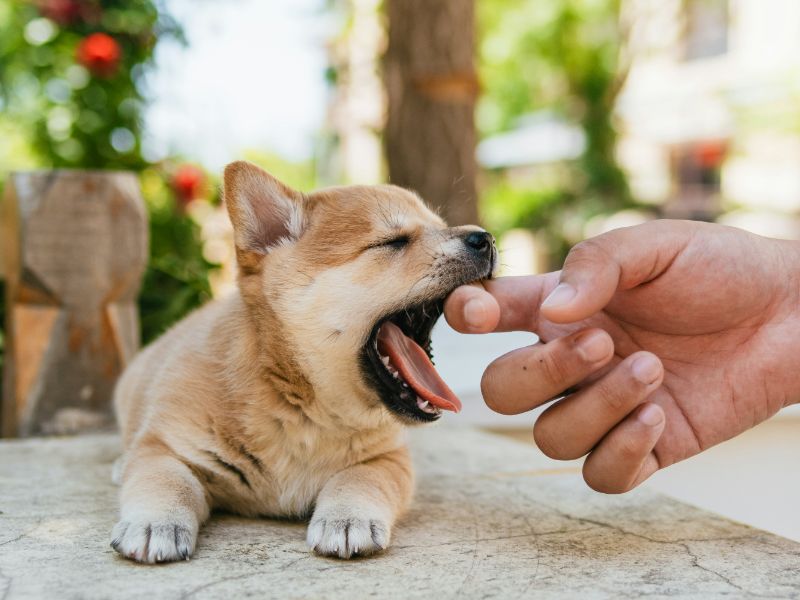
Photo by Wu Yi from Unsplash
Taking care of a canine’s oral health includes dental dog food and regular checkups (both at-home and vet). If you need a quick plan, we’ve got you covered:
- Brush their teeth every day. It’ll help you combat plaque.
- Consider a dental diet or chew. Ask your veterinarian which products suit your dog. Check the exact product and plaque or tartar claim in the VOHC Accepted list.
- Choose suitable chew toys. Avoid very hard objects that can damage teeth. Supervise chewing and select a size appropriate for your dog.
- Assess powders, water additives and sprays individually. Their effects and suitability depend on the formulation. Follow the label and use them alongside brushing and veterinary care.
Keep on Brushing!
At Healthywoof.com, we encourage daily brushing with dog-specific toothpaste and veterinary dental assessments. Your veterinarian can advise when professional cleaning is needed. No food or supplement guarantees healthy gums.
When comparing foods for dog dental health, consider the following points:
- Sugary or sticky human treats. Do not use these as dental-care products; choose treats appropriate for your dog’s overall diet.
- Cooked bones. They tend to shatter. As a result, they injure the cavity.
- Junk food. You shouldn’t eat it either, frankly speaking. In the case of canines, sugary or fatty foods do no good to animals’ teeth.
- Wet food. Wet food is not automatically bad for teeth, and ordinary dry food does not replace brushing. Choose a diet for your dog’s overall nutritional needs.
- Starch-containing foods. An ingredient category alone does not tell you whether a diet controls plaque. Look for evidence for the finished dental product.
Keeping your pet’s pearly whites healthy is a matter of consistency, patience, and good dental treats for dogs. By focusing on their oral health from an early age, you’ll keep your pup happy for years to come.